
Object detection
Urban interchanges
12.8k frames · 9 classes
Build, evaluate, and operate vision systems from versioned data, specialist models, VLMs, and production workflows.
Connect via MCP
Score Studio is the computer vision layer for agents—automating data generation, annotation, training, evaluation, workflows, and deployment in one evidence-backed system.
Available now · API key required
npx add-mcp https://mcp.scorestudio.ai/mcp --name score --header "Authorization: Bearer $SCORE_API_KEY"01 · Orchestrate
Compose data, specialist models, VLMs, decisions, and outputs on one canvas.
02 · Understand
Version visual evidence, label it precisely, and expose the hard examples.
03 · Adapt
Use pretrained intelligence, fine-tune specialists, and compare every candidate.
04 · Execute
Run durable annotation, evaluation, training, and multimodel jobs with full control.
05 · Operate
Release to cloud or edge, observe live behavior, and route failures back into learning.
Built on visual evidence
See the world your cameras see, shape what they understand, and carry that intelligence into production.
12.8k frames · 9 classes
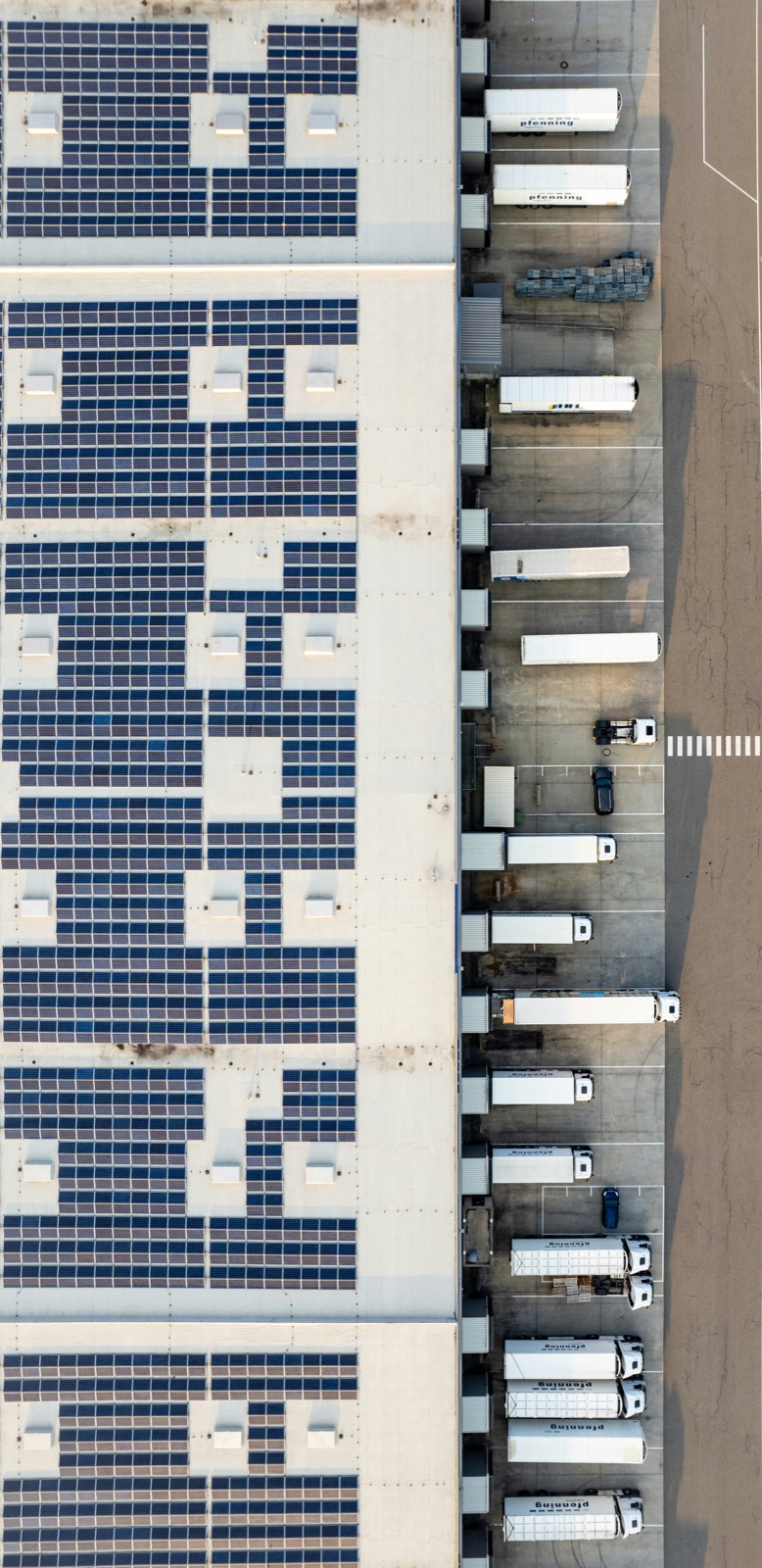
4.2k frames · 7 zones

8 live cameras · monitored
Start where you are
Begin with proven data and models, or start from an unsolved vision problem. Both paths become one coherent production system.
Use what is ready
Select an existing dataset and a model with runnable weights, verify its measured performance, then compose and deploy the workflow.
Create from first principles
Upload or generate data, annotate it, train directly, or engage Model Foundry to develop a frontier model for a problem that off-the-shelf systems cannot solve.
The production loop
Score Studio organizes computer vision around the lifecycle of the system—not a collection of disconnected tools.
Upload or generate images, review annotations, and preserve immutable versions.
Datasets · annotation · health · versions
Use ready weights, train a model, or engage Model Foundry against a defined eval contract.
Lab · training · Model Foundry · artifacts
Inspect predictions, ground truth, failure modes, class metrics, and measured latency.
Evaluation · benchmarks · release gates
Compose processing logic visually, select infrastructure, and observe production behavior.
Workflow canvas · providers · deploy · monitor
Workflow canvas
Configure inputs, select runnable weights, transform predictions, add logic, connect providers, and define outputs without losing the underlying technical contract.
Image input
image
Vehicle detector
runnable model v3
Count objects
class · confidence · zone
Event output
provider destination
Built for CV engineers
Dataset structure, annotation quality, training behavior, evaluation evidence, and runtime infrastructure remain first-class technical surfaces—not hidden steps in a wizard.
Dataset intelligence · urban interchanges v3
60
images
601
annotations
100%
coverage
2
duplicates
Object scale coverage, from tiny targets to full-frame regions.
Positional bias across the normalized image plane.
Normalized box width versus height and shape bias.
Resolution and aspect-ratio consistency across source assets.
Boxes, polygons, class shortcuts, model assist, review queues, and annotation import/export in a viewport-safe workbench.
label · assist · review
Configure presets and advanced parameters, then inspect live loss, per-class metrics, artifacts, logs, and evaluation gates.
train · compare · approve
Connect inference, compute, and storage; manage edge devices and keys; automate the same lifecycle from Python or REST.
connect · automate · deploy
Model Foundry · frontier vision on demand
Commission Score's frontier computer vision lab directly from the platform, 24/7—without waiting for an introduction, RFP, or lab slot. Define success upfront and approve only the production-ready model that clears it.
Open 24/7
Submit the task, evals, and budget directly—no introduction or RFP
Frontier lab on demand
Specialists adapt, distill, or build what the task requires
Proof before release
Approve the benchmark result, then open-source the model or deploy it privately
Example development brief · complex vision system
Detect subtle surface damage, read identifiers, reason across multiple views, and produce an auditable severity decision at the edge.
≥ 97.0%
Target recall
≤ 80 ms
Edge latency
0
Critical misses
Define the unsolved problem
Scene, failure modes, output schema, runtime, and commercial constraints.
Lock the evaluation contract
Ground truth, test cohorts, target metrics, latency, and delivery budget.
Develop frontier candidates
Architecture research, foundation-model adaptation, distillation, and task-specific training.
Approve the production artifact
Compare candidates on the same evals; release only the model that clears the contract.
Release principle
Nothing ships—and no development budget is released—until you approve a model that clears the agreed evaluation thresholds.
Pretrained VLMs · domain fine-tuning
Choose Satori, Qwen, InternVL, Cosmos, or bring your own pretrained VLM. Fine-tune it with reviewed, versioned multimodal examples using LoRA, QLoRA, or full SFT—then prove the specialist on your own evaluation set before it enters a workflow.
Need a capability no existing foundation can reach? Model Foundry remains the separate path for frontier architectures and from-scratch research programs.
Prompt
Which dock lane is obstructed, and why?
Satori · structured answer
Lane 03 · pallet inside the marked safety zone · confidence 0.94
Phrase grounding
Connect language to regions and objects in an image.
Visual question answering
Ask operational questions and retain the visual evidence.
Dense captioning
Describe scenes, relationships, changes, and anomalies.
Structured reasoning
Return typed answers that workflow blocks can act on.
Agent-ready infrastructure
Connect agents to typed, scoped tools over MCP. Read-only evidence access is available now; tracked execution and release tools stay visibly unavailable until their side-effect and approval contracts ship.
Inspected dataset version 8
Compared evaluation run ev_921
Checked deployment health
Release blocked
Small-object recall decreased by 4.8%. The current production revision remains healthier.
Available now
Inspect datasets, model lineage, evaluation runs, and deployment state through scoped read tools.
Coming soon
Start tracked training, evaluation, and workflow runs while preserving exact versions and durable run IDs.
Coming soon
Compare compatible evidence, expose regressions, and verify deployments before describing them as production-ready.
Trust is part of every tool call
Works where your team already works
Channels appear as available only after their package and hosted OAuth connection are public.
Score Studio
From the first image to a measured, deployable, continuously improving production loop.